
Color is one of the most powerful tools in a marketer’s arsenal. It can influence emotions, drive decisions, and create lasting brand associations—all in a split second.
The Science Behind Color Psychology Research shows that up to 90% of snap judgments about products are based on color alone. Understanding how colors affect perception can significantly impact your marketing effectiveness.
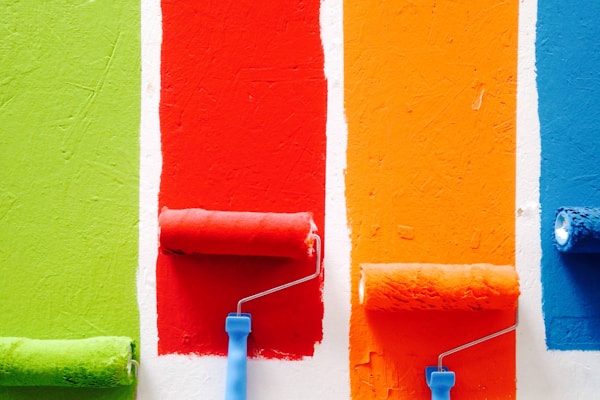
Red: Energy and Urgency Red evokes excitement, passion, and urgency. It’s often used for clearance sales and call-to-action buttons because it creates a sense of immediacy.
Blue: Trust and Reliability Blue is associated with trust, security, and professionalism. It’s no coincidence that many financial institutions and tech companies use blue in their branding.
Green: Growth and Health Green represents nature, health, and growth. It’s popular among organic brands, financial services, and environmental organizations.
Yellow: Optimism and Attention Yellow grabs attention and conveys optimism and warmth. It’s effective for window displays and attracting impulse buyers.
Purple: Luxury and Creativity Purple suggests luxury, creativity, and wisdom. It’s often used by beauty brands and creative businesses.
Orange: Confidence and Enthusiasm Orange combines red’s energy with yellow’s friendliness. It creates enthusiasm and is often used for calls to action.
Practical Application Tips Consider your target audience, cultural context, and desired emotional response when choosing colors. Test different color combinations to see what resonates with your specific audience.
Remember, color psychology provides guidelines, not rules. Always test and validate with your specific audience.